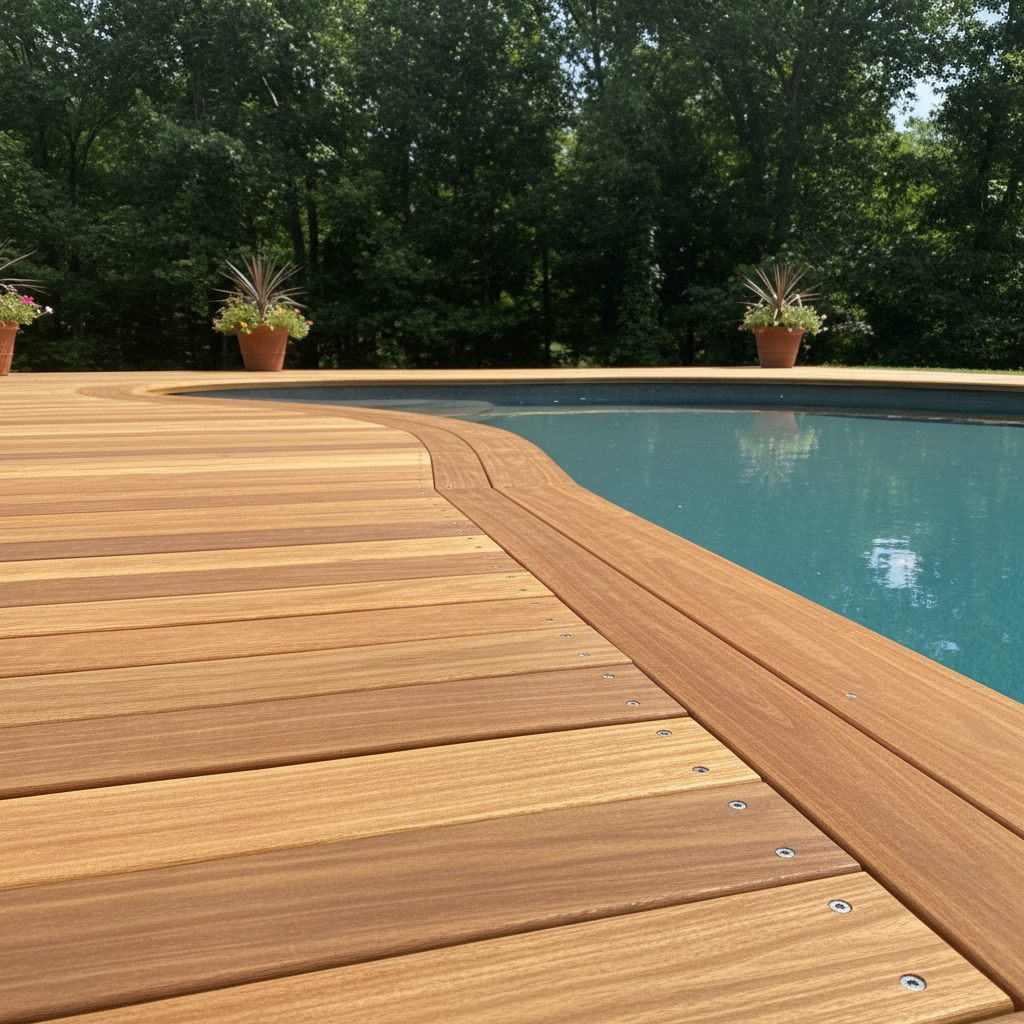
So, you've got a pool, or you're thinking about putting one in. That's great! But a pool without a good deck is like a barbecue without a grill – it just ain't right. A pool deck isn't just for looks; it's about safety, comfort, and making your outdoor space actually usable. Let's talk about what goes into a solid pool deck project here in Rockford.
Before You Start: Planning Your Pool Deck
Don't just jump in with both feet. A little planning goes a long way, and it'll save you headaches and money down the road. First off, think about what you actually want to do on this deck. Is it just for walking around the pool? Are you putting furniture on it? A grill? An outdoor kitchen? The more you plan for its use, the better you can design it.
Next, materials. This is a big one. You've got options: wood, composite, concrete, pavers. Each has its pros and cons. Wood looks classic, feels good underfoot, but needs regular maintenance, especially with our humid summers here in East Tennessee. Composite is low-maintenance, comes in a ton of colors, but can get hotter than wood in direct sun. Concrete and pavers are super durable, but they're a different look and feel. Think about drainage too; you don't want water pooling up around your foundation or creating a swamp in your yard.
Permits are another thing you can't skip. Most deck projects, especially around a pool, are going to need a permit from the county. Don't try to sneak around this; it'll just cause bigger problems later. The folks at the Knox County Codes Administration can tell you exactly what you need. It's usually a straightforward process if you've got your plans in order.
During the Project: What You Can Tackle & When to Call Us
Alright, so you've got your plan, your materials picked, and your permit in hand. Now comes the work. What can a handy homeowner realistically do themselves?
- Demolition: If you're replacing an old deck, tearing it out is often a job you can handle. Just be careful, wear your safety gear, and make sure you've got a plan for hauling away the debris.
- Simple Framing (maybe): If you're really comfortable with power tools, measuring, and understanding load-bearing principles, you might be able to frame a very basic, low-to-the-ground deck. But I'm going to be honest with you: pool decks have specific requirements for stability and drainage. If you're not absolutely sure about joist spacing, ledger board attachment, or building codes, this is where you should seriously consider calling a professional.
- Surface Laying (sometimes): If you're using composite or wood decking boards, and the framing is already solid and level, you can probably handle screwing down the boards. It's repetitive, but satisfying work. For concrete or pavers, that's a whole different ballgame. Pouring a perfectly level, properly sloped concrete slab around a pool, or laying pavers that won't shift and settle over time, takes specialized skills and equipment. That's usually a job for the pros.
- Finishing Touches: Staining, sealing, adding railings (if needed and you're not worried about code compliance for height/spacing), or installing lighting. These are often good DIY tasks.
Here's the deal: anything that affects the structural integrity, safety, or long-term durability of your deck, especially around a pool, is usually best left to experienced hands. We've seen too many DIY projects that end up costing more to fix than if the homeowner had just hired Valley Decking from the start. We know the local soil conditions, like that red clay we often deal with around Rockford, and how it affects footings and drainage. We build things to last.
After the Build: Keeping Your Pool Deck Looking Good
So, the deck's done, and it looks great. Now you want to keep it that way. Maintenance is key, and it really depends on your material choice.
- Wood Decks: You'll need to clean and seal or stain your wood deck every 1-3 years, depending on the product and how much sun it gets. Pressure washing is fine, but be careful not to damage the wood. Look out for splinters, loose nails, or screws, and address them quickly.
- Composite Decks: These are pretty low-maintenance. A good cleaning with soap and water a couple of times a year is usually all they need. You might need a specific cleaner for tougher stains, but generally, they hold up great.
- Concrete/Paver Decks: Again, pretty durable. Power wash them periodically to remove dirt and algae. You might want to seal pavers every few years to protect them from stains and weathering.
Always keep an eye out for any signs of wear, rot, or instability, no matter the material. If you see something that looks off, don't ignore it. A small problem caught early is a lot easier and cheaper to fix than a big one down the road. Enjoy that new pool deck!