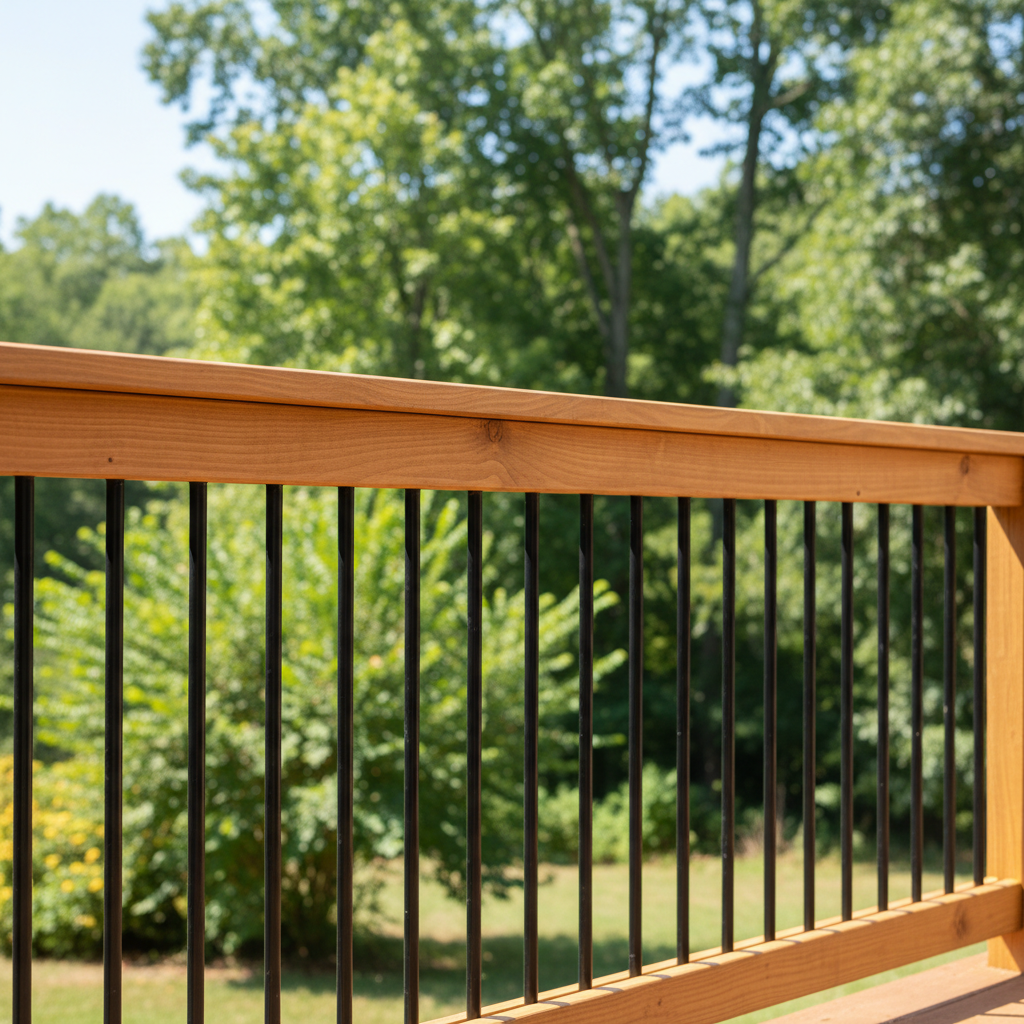
Alright, let's talk deck railings. You've got a deck, or maybe you're just starting to plan one, and you already know railings are a big deal. They're not just for looks, though a good railing really can make a deck pop. Mostly, they're about safety, and that's where a lot of the questions come in. I get asked a bunch of stuff about railings all the time here in Rockford, so I figured I'd put together some straight answers for you.
Do I even need a railing on my deck?
This is probably the most common question I hear. And the short answer is, usually, yes. The long answer involves local building codes. Here in Rockford, like most places, if your deck surface is more than 30 inches off the ground at any point, you're going to need a railing. That 30 inches, by the way, is measured from the ground directly below the deck to the top of the deck surface. It's not a suggestion; it's a code requirement for safety. You don't want anyone taking a tumble, especially if you've got kids or older folks around. Even if it's just 28 inches, I'd still recommend one. You know, just to be safe.
What's the required height for deck railings in Rockford?
Another big one. For residential decks, the top of your railing needs to be at least 36 inches high, measured from the deck surface. If you've got a commercial property, or sometimes even a multi-family residential one, that height can jump to 42 inches. But for most folks in their homes around Rockford, 36 inches is the magic number. We always build to meet or exceed that, because it's about protecting you and your family.
What about the gaps between balusters? How wide can they be?
This is super important, especially if you have small children or pets. The code specifies that a 4-inch sphere cannot pass through any opening in your railing. That means the space between your balusters (those vertical posts) can't be more than 4 inches wide. We're talking about a baby's head, or a small pet. It's a critical safety measure. So, when you're looking at designs, remember that 4-inch rule. It dictates how many balusters you'll need and how they're spaced.
What materials are best for deck railings?
This is where you get some choices, and it really depends on your budget, your deck material, and the look you're going for. We work with a few main types:
- Treated Wood: This is classic, affordable, and matches a lot of traditional wood decks. It's durable, but it needs regular maintenance like staining or painting to keep it looking good and protected from our humid Tennessee weather.
- Composite: Great for low maintenance. It's made from a mix of wood fibers and plastic, so it won't rot, splinter, or need painting. It's a good match if you have a composite deck, and it comes in a bunch of colors. It costs a bit more upfront than wood, but you save on upkeep.
- Aluminum: Super durable, lightweight, and virtually maintenance-free. Aluminum railings offer a sleek, modern look and don't block your view as much as some other options. They're great for decks overlooking the mountains or a nice backyard. They're usually more expensive than wood or composite, but they last forever.
- Cable Railing: This is a type of infill, often used with wood or metal posts. It's those thin, horizontal stainless steel cables. It gives a really open, contemporary feel and is fantastic for preserving views. It's definitely on the higher end price-wise and takes a bit more specialized installation, but it looks sharp.
- Glass Panels: Another premium option for maximizing views. These are tempered glass panels held in place by posts or clamps. They look amazing and offer unobstructed sightlines, but they're pricey, can get dirty easily, and need to be cleaned often.
At Valley Decking, we can walk you through all these options and help you pick what makes the most sense for your home and your wallet.
Can I mix and match railing materials?
Absolutely! In fact, it's a popular way to get a custom look. You might have treated wood posts and top rail, but then use aluminum balusters or even cable infill. Or maybe composite posts with glass panels. Mixing materials can add visual interest and help you achieve a specific aesthetic without breaking the bank on an all-premium system. Just make sure whatever you choose still meets those 4-inch spacing rules.
Do I need a permit to replace or install new deck railings?
For a brand new deck, the railings are part of the overall deck permit, so yes. If you're just replacing existing railings on an older deck, it often depends on the scope of the work. If you're just swapping out balusters for new ones of the same type and not changing the structure, you might not need a new permit. But if you're changing the railing system significantly, altering the posts, or if the original railings weren't up to current code, then you'll likely need one. It's always best to check with the Knox County Building Department or your local municipality here in Rockford to be sure. It's better to ask upfront than to have to tear something down later.
Look, railings are a big part of your deck's safety and its overall look. Don't cut corners here. Get it right the first time, and you'll enjoy your deck for years to come without worry. If you've got more questions or want to talk about your specific deck project, give us a shout at Valley Decking. We're always happy to help our neighbors out.