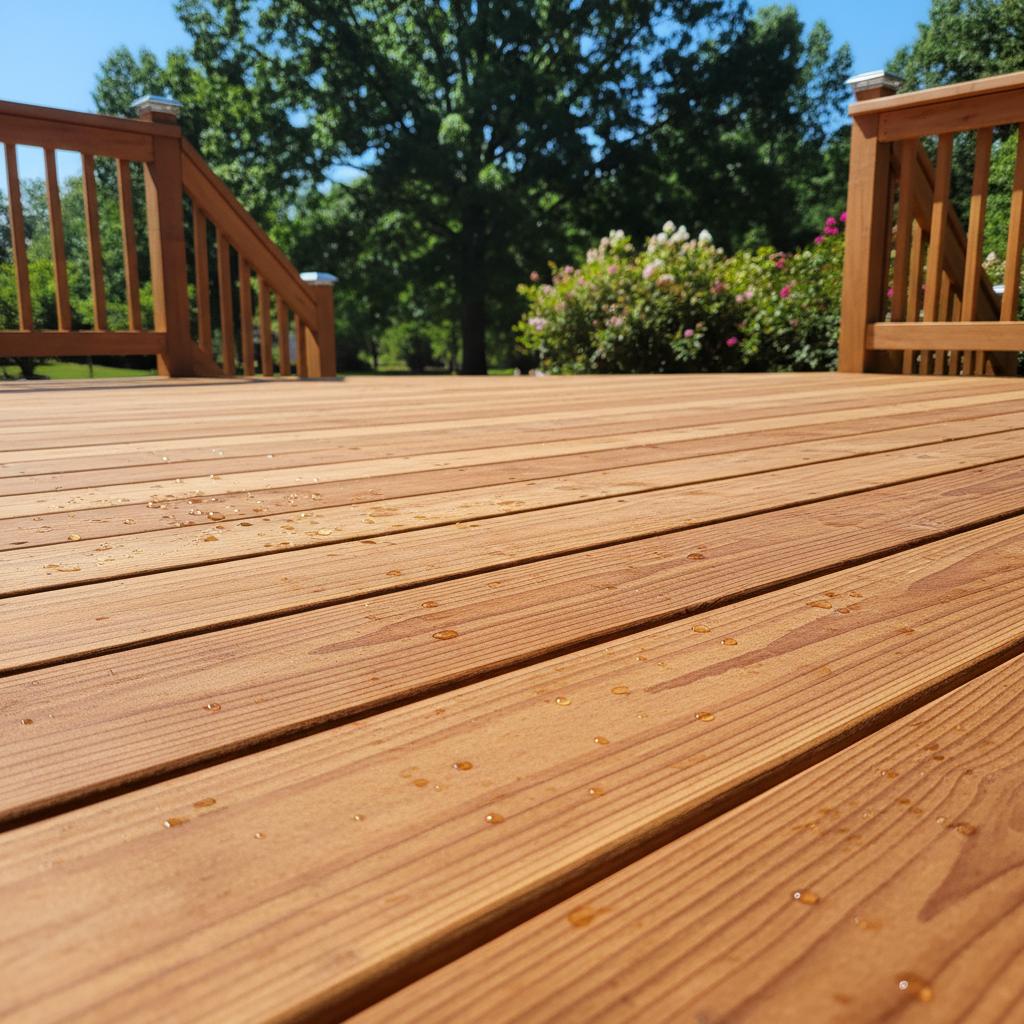
Alright, let's talk decks. I get a lot of the same questions when folks call me up, and that's good. It means you're doing your homework. Building a deck isn't like buying a new toaster; it's a significant investment in your home and your outdoor living. So, you should be asking tough questions. Here are the most common ones I hear, and my honest answers.
Do I even need a permit for a deck in Rockford?
Yes, absolutely, you need a permit. Don't let anyone tell you otherwise. I've seen folks try to skip this step, and it almost always comes back to bite them. The Knox County Department of Engineering and Public Works handles permits for Rockford, and they're not just being difficult. Permits ensure your deck is built to code, which means it's safe for you, your family, and your guests. It protects your property value, too. If you ever go to sell your house and the deck wasn't permitted, that can create a real headache and even cost you money later on to get it up to snuff or tear it down. We always handle the permitting process for our clients at Valley Decking, because it's that important.
How long does a deck build actually take?
That's a tough one to give a single answer for, because it depends on a bunch of factors. Is it a simple ground-level platform or a multi-level structure with stairs, railings, and maybe even a built-in bench? What kind of materials are we using? Is the site easily accessible for equipment and materials? Generally, for an average-sized, elevated deck (say, 300-400 sq ft), you're usually looking at anywhere from two to four weeks from the day we start digging post holes to the day we're sweeping up. That's assuming good weather, of course. If we hit a solid week of those spring thunderstorms we get around here, that's going to push things back. Planning and permitting also add time before we even break ground, so factor that in.
What's the real difference between pressure-treated wood and composite decking?
This is probably the most common question. Pressure-treated wood is classic. It's real wood, usually pine, that's been chemically treated to resist rot, insects, and fungal decay. It's generally more affordable upfront. The downside? It requires regular maintenance. You'll need to clean, sand, and re-stain or seal it every year or two to keep it looking good and protect it from our humid East Tennessee weather. If you don't, it'll splinter, crack, and fade. Composite decking, on the other hand, is made from a mix of wood fibers and recycled plastic. It costs more upfront, sometimes significantly more. But here's the kicker: it's practically maintenance-free. No staining, no sealing, just a good cleaning a couple times a year. It won't splinter, rot, or get eaten by bugs. It holds its color better. So, it really comes down to your budget and how much time you want to spend on upkeep.
Can I really build a deck myself?
Look, I'm a contractor, so my immediate thought is always to hire a pro. But I'm also a realist. Can you build a deck yourself? Maybe. If you're handy, have experience with carpentry, understand local building codes, and have the right tools, it's possible. But it's not just nailing boards together. You've got to deal with proper footings (especially with our rocky soil in some parts of Rockford, you hit bedrock and it changes things), ledger board attachment, joist spacing, railing safety, and stair construction. There's a lot of engineering involved to make sure it's safe and lasts. If you're unsure about any of those things, or if you're building an elevated deck, I strongly recommend calling a professional. The cost of fixing mistakes or, worse, dealing with a collapsed deck, is far higher than hiring someone to do it right the first time.
How much should I budget for a new deck?
This is the million-dollar question, and it's the hardest to answer without seeing your property and knowing your vision. There's no one-size-fits-all price. Factors like the size of the deck, its height off the ground, the type of materials you choose (pressure-treated vs. composite, different railing options), the complexity of the design (multiple levels, curves, built-ins), and site preparation all play a huge role. As a very, very rough ballpark, you might expect anywhere from $30 to $70+ per square foot for a basic pressure-treated deck, and more for composite. But that's just a starting point. The best thing to do is get a few detailed quotes from reputable local contractors. Make sure those quotes break down materials and labor, and ask what's included and what's not. Don't just go for the cheapest bid; compare apples to apples.
What about hidden costs?
Good question! There generally shouldn't be too many 'hidden' costs if you're working with an honest contractor who gives you a detailed estimate. But things can pop up. Permit fees are usually separate from the construction cost, so make sure that's clear. If we uncover unexpected issues during excavation – like buried utilities we didn't know about, or that aforementioned bedrock that requires special tools – that could add to the cost. Sometimes homeowners decide they want to upgrade materials or add features mid-project, which is fine, but those are change orders that will increase the price. Make sure your contract clearly outlines how change orders are handled. And remember, landscaping around the new deck, or painting/staining it if it's wood, might be things you'll need to budget for separately after we're done.
Hopefully, this clears up some of those burning questions you've got. Building a deck is exciting, and it's a great way to expand your living space. Just make sure you're informed and working with folks who know what they're doing.